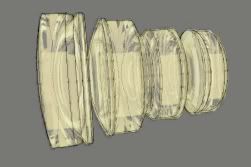
I posted this at Sketchucation and thought it might be pertinent here. Also was wondering if anyone else has experimented with this ability of Indigo. . and I suppose, most any rendering engine.
* * * * * * * * *
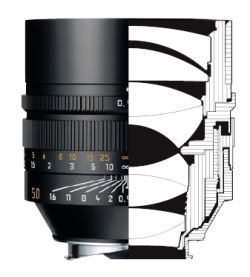
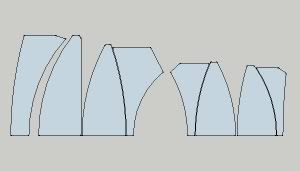
After much experimentation with Indigo's material attributes, most especially, mirroring and glass, and the refraction index, for quite some time, I've managed to re-image an object entity in SU through a refractor-type optical system using Indigo. I used a modified Kellner-type eyepiece, more closely resembling a RKE. I used THIS site to help me develop some basic shapes and refractive indexes.
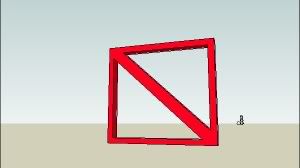
Here's the object I imaged and the optical setup in the distance. The distance ratio of the imaged object (the red slashed square) to the objective lens in relation to the objective and the 'eyepiece assembly plate' is 16 to 1.
Here's a view of the objective lens and the eyepiece assembly.
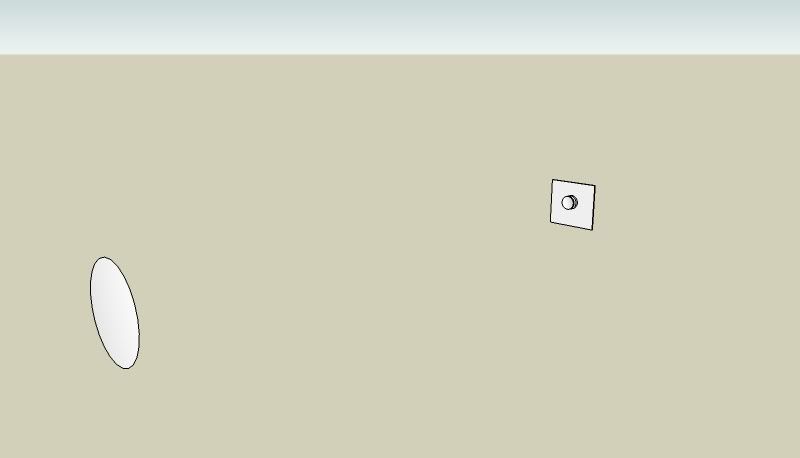
And the focusing or eyepiece assembly. I've changed the lenses to monochrome so they can be seen.
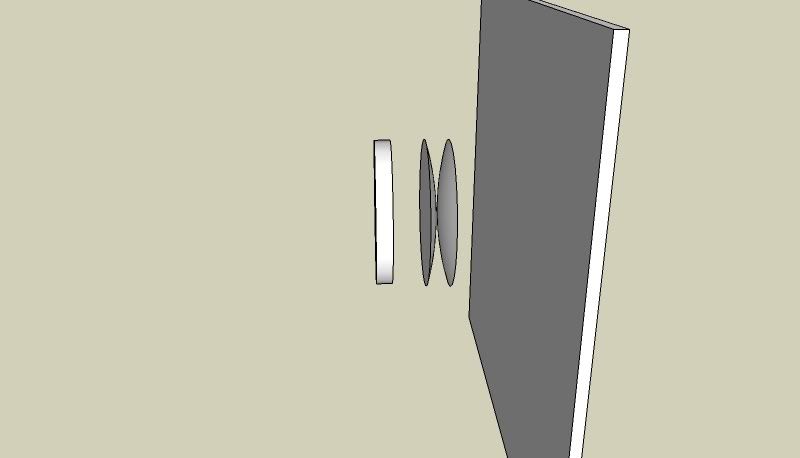
And finally the rendered image on the receiving plate.
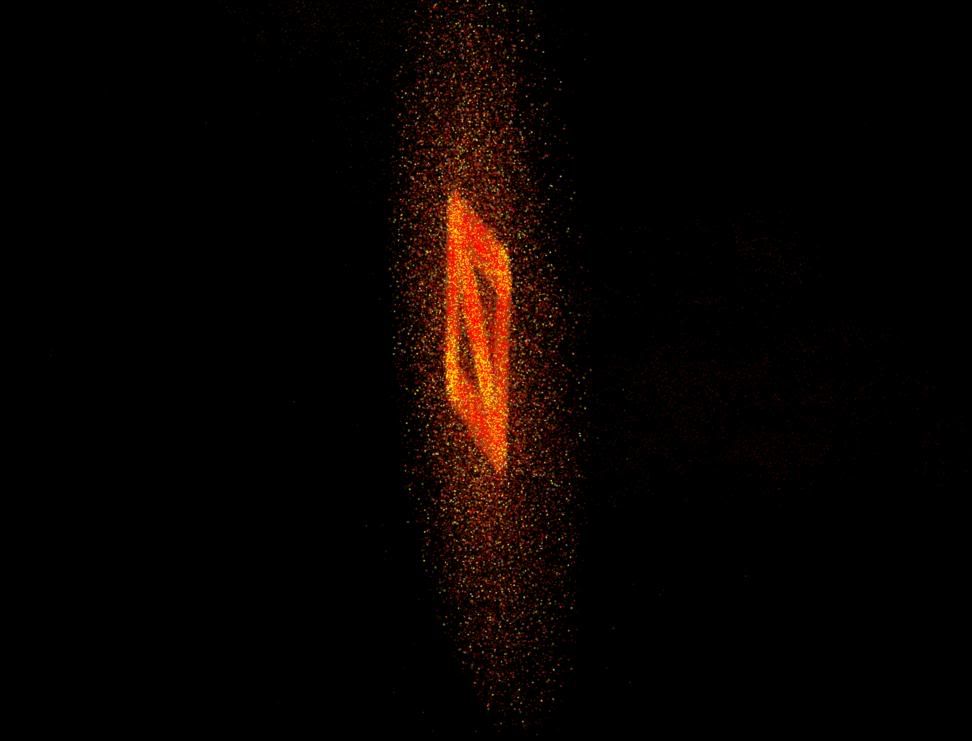
The, newtonian-type system below was a bit harder because I needed to get the parabolic shape of the main mirror close to perfect. . .or as in the "the real world", get the wavelength error within several angstroms of, say, yellow light. A "real" telescope mirror has to be MUCH more accurate than what I am doing of course.
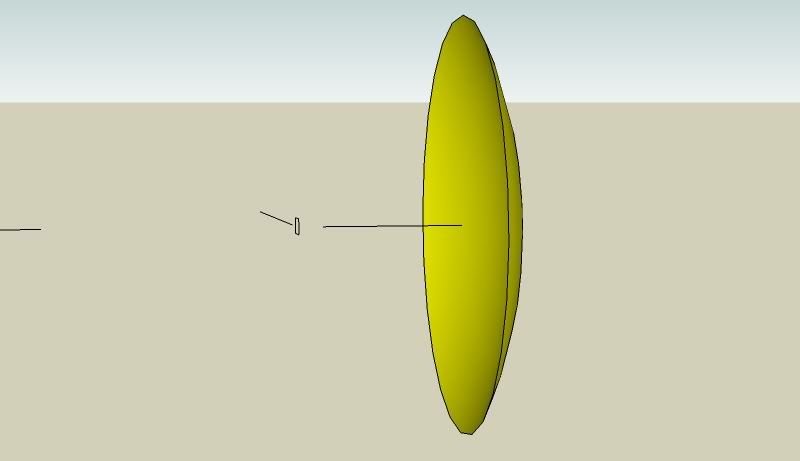
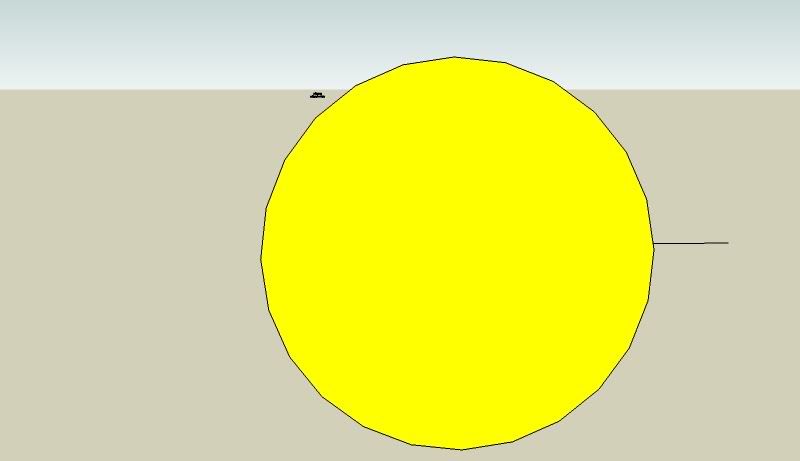
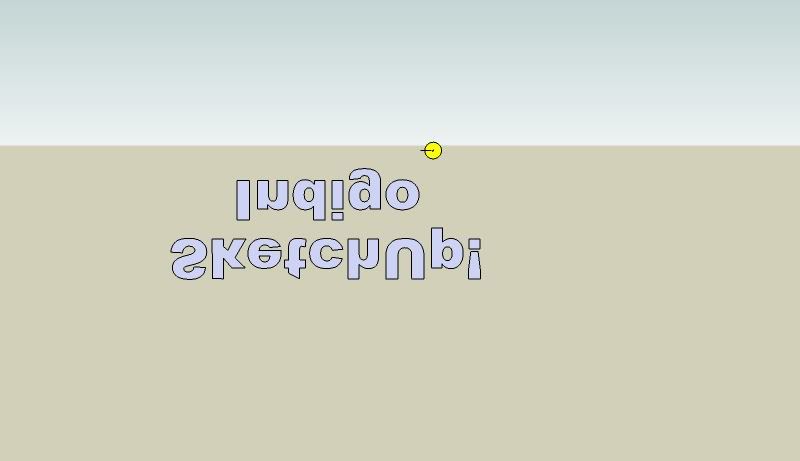
I've 'cheated' slightly here, in that I am not using eyepieces, and only letting the focus point of the image impact at the receiver plate. This would not allow a 'virtual eye' to see the image, as the image is crossing at the plate plane, and not traveling parallel. The imaged "SketchUp Indigo" was very close to the reflector. The ratio from the image to the receiver plate in comparison to the receiver plate to the top of the sagitta of the parabola is a modest 6 to 1, so I get a nice crisp image.
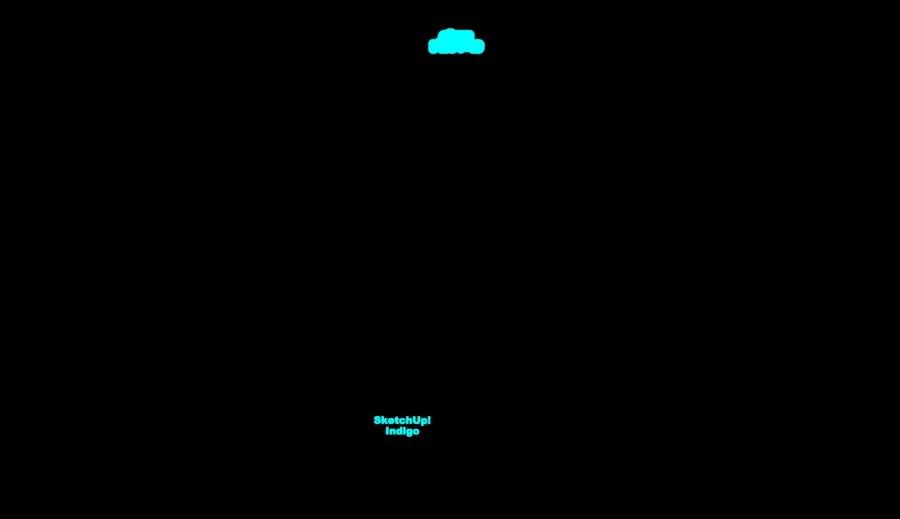
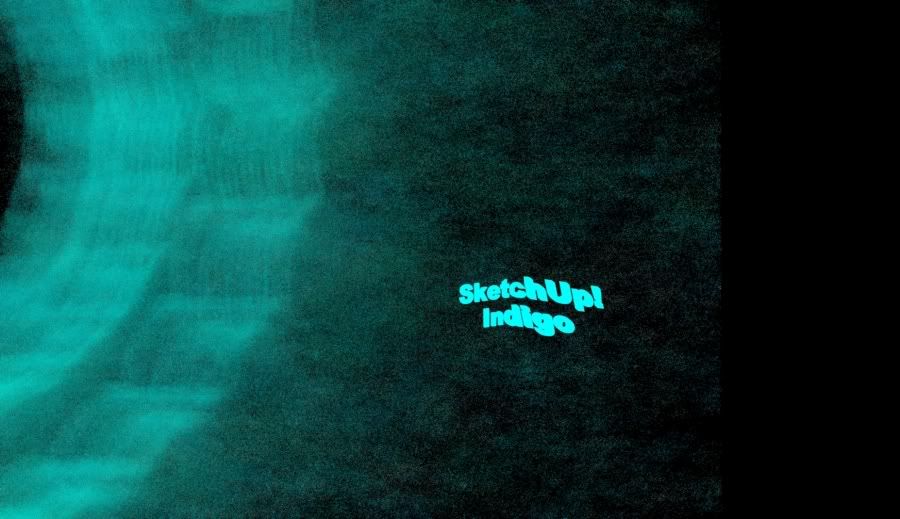
The below pic starts to show the error either in Indigo's ray tracing algorithm or the preciseness of my parabolic surface. I imagine it's my inability to draw an exact parabolic surface. The ratio here is a huge 320 to 1. Not much for a real optical system, but still kinda impressive in a virtual environment, not designed to do such.